Wavy Light
An experiment in learning and creating bioplastic and then designing a product from its qualities.
What is bioplastic?
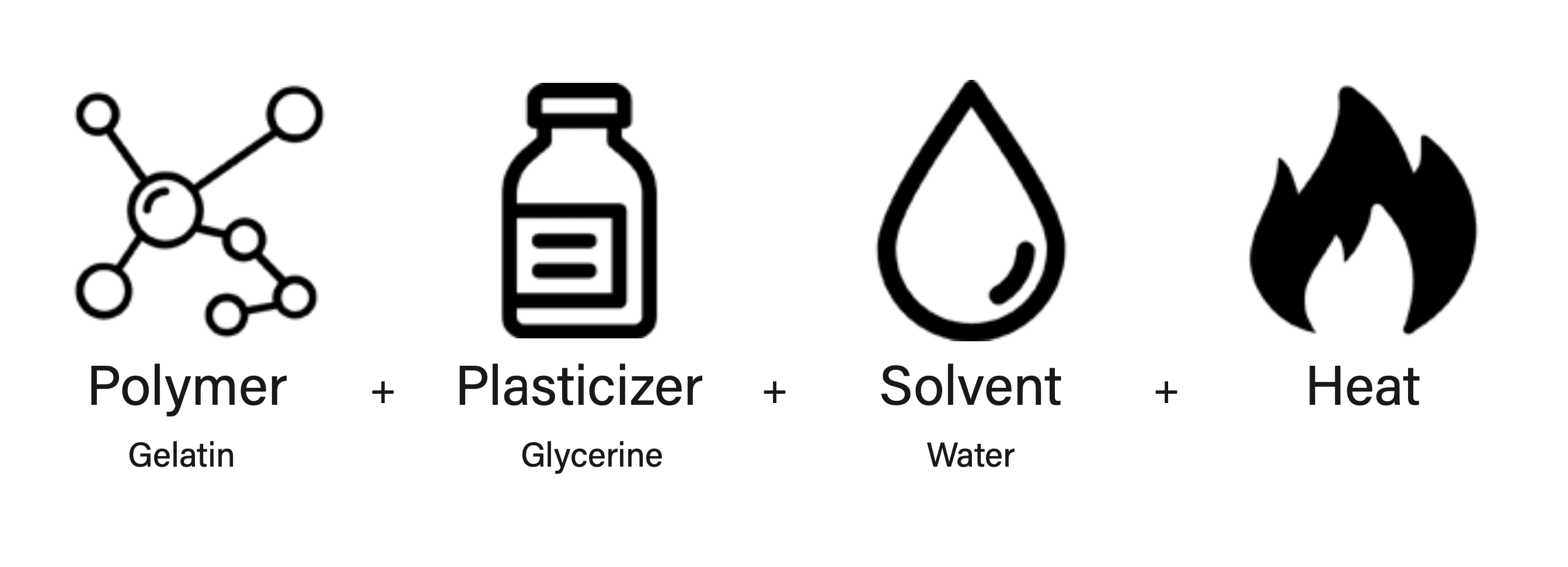
Bioplastic is a plastic made of the combination of a polymer, a plasticizer, and a solvent over heat.
A polymer is a substance or material made up of a series of very arge molecules. A plasticizer is a substance that makes solutions more flexible or promote plasticity and reduce brittleness. A solvent is the liquid in which one dissolves a solute to form a solution.
After making 20 different bioplastic recipes, I developed with my own recipe which was a combination of tapioca and gelatin, in order to get specific attributes.
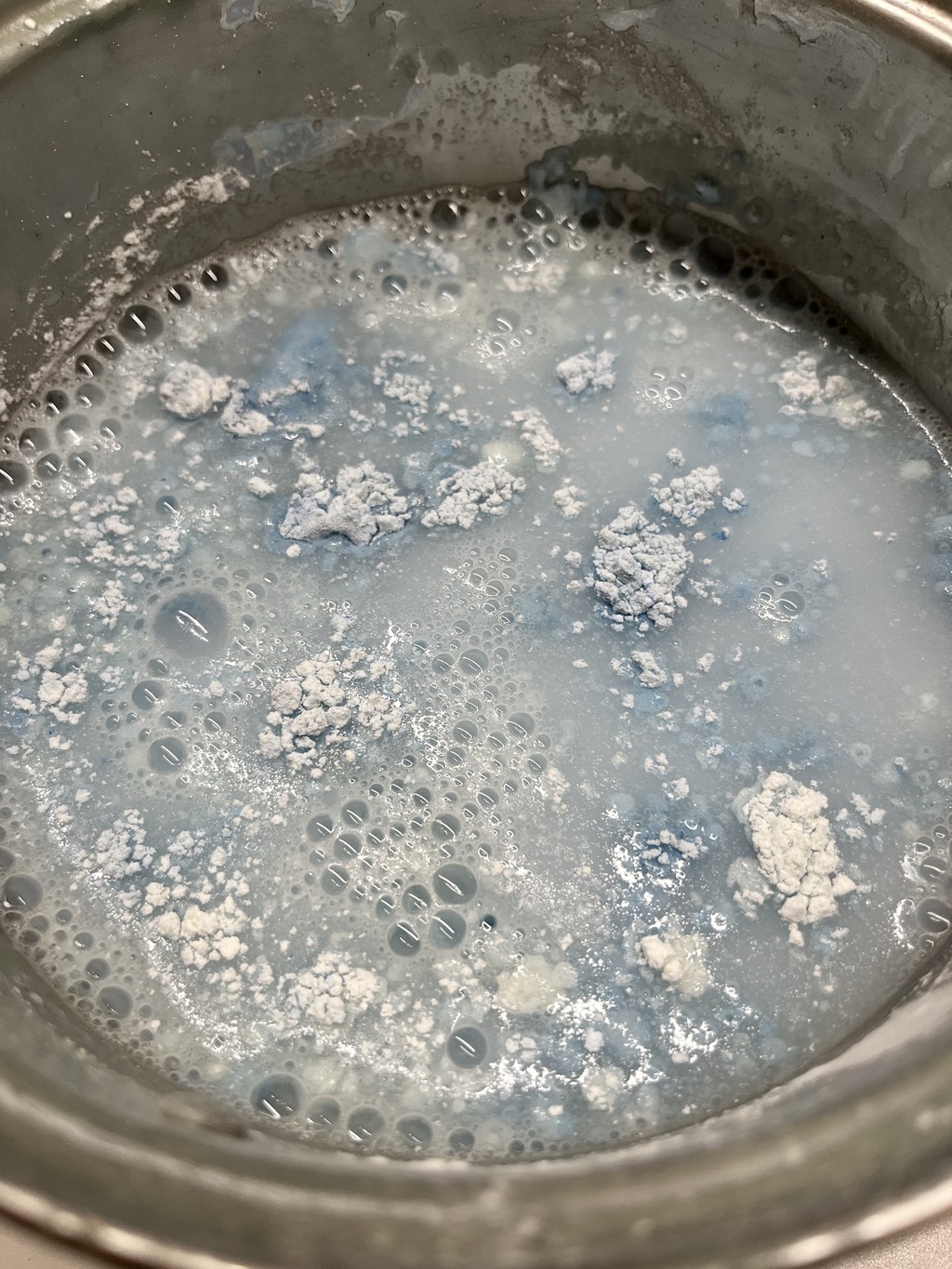
Step 1:
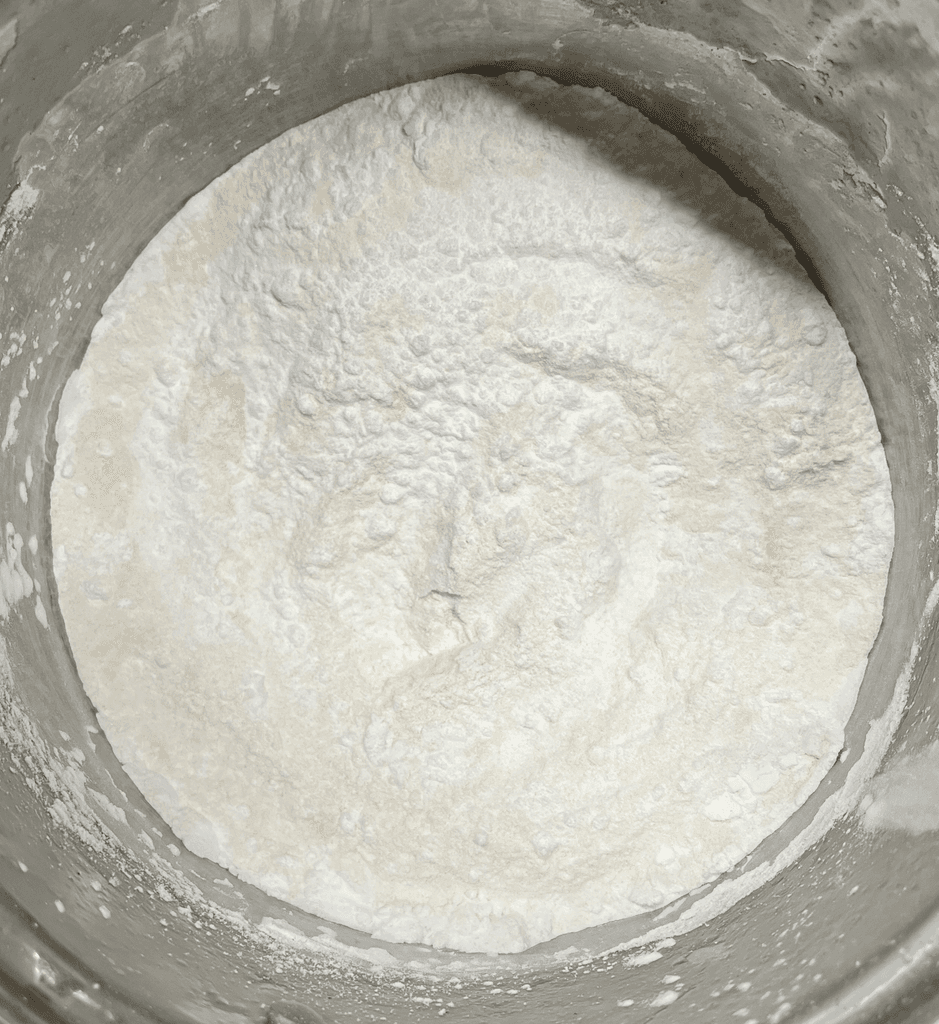
Tapioca 100g
Gelatin 50g
Step 2:
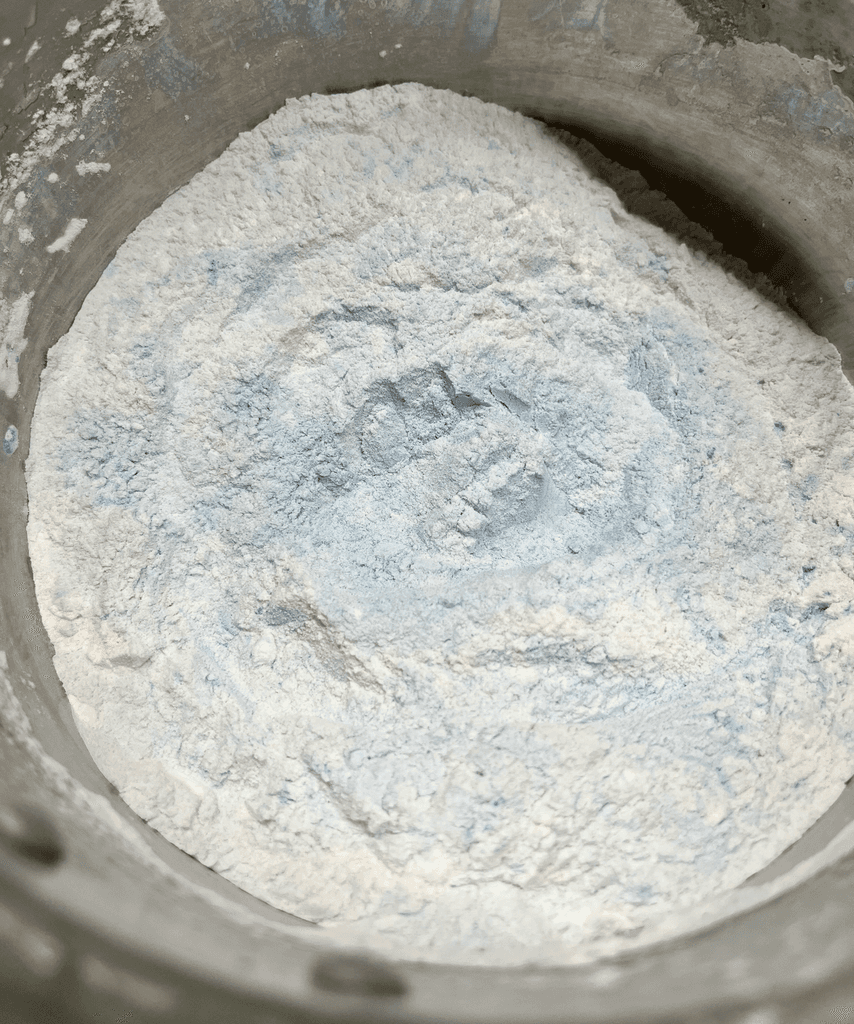
Color powder 1 tsp
Step 3:
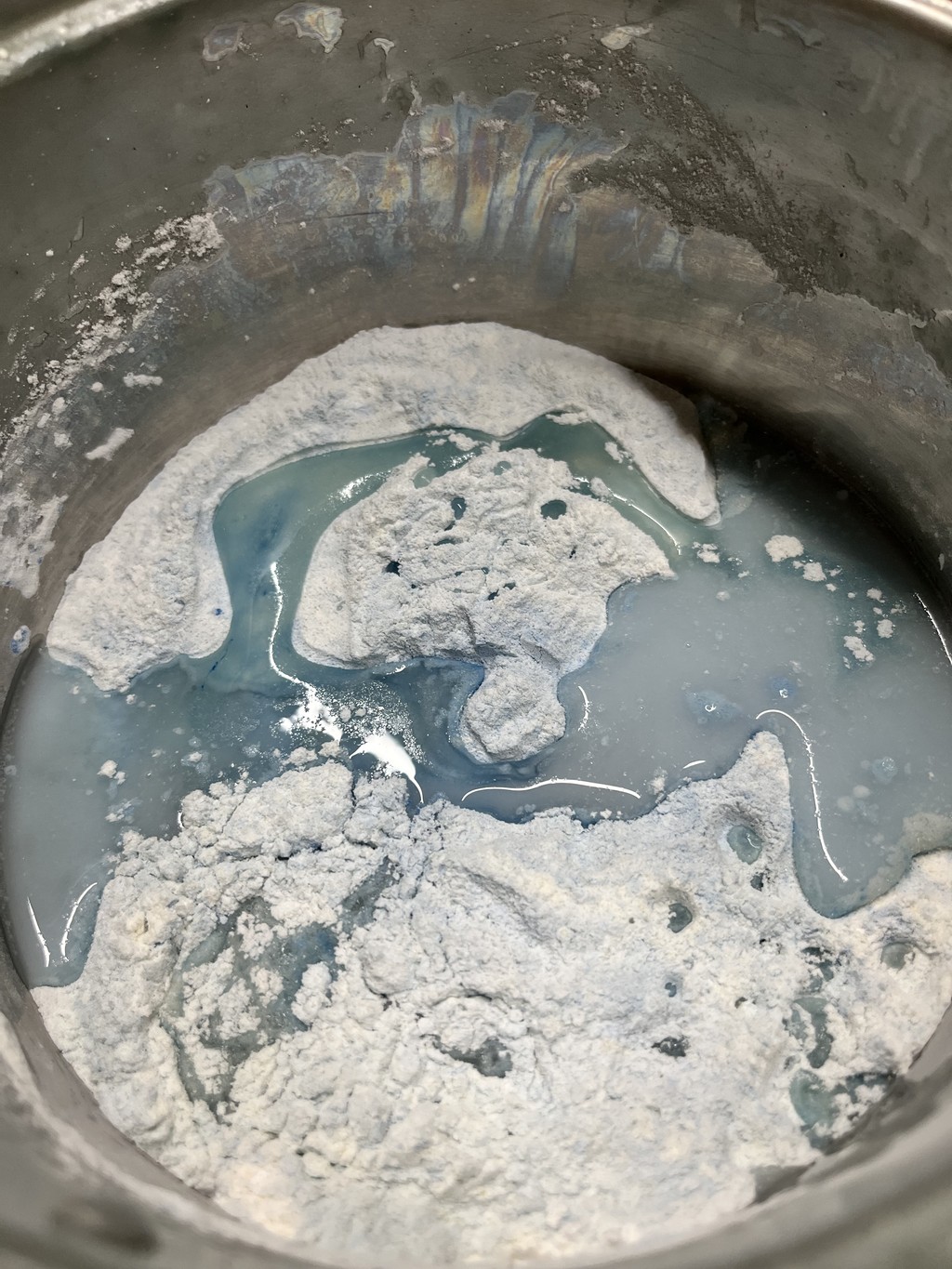
Glycerine 30ml
Vinegar 50ml
Step 4:
Water 600ml
Lemon Oil 5 drops
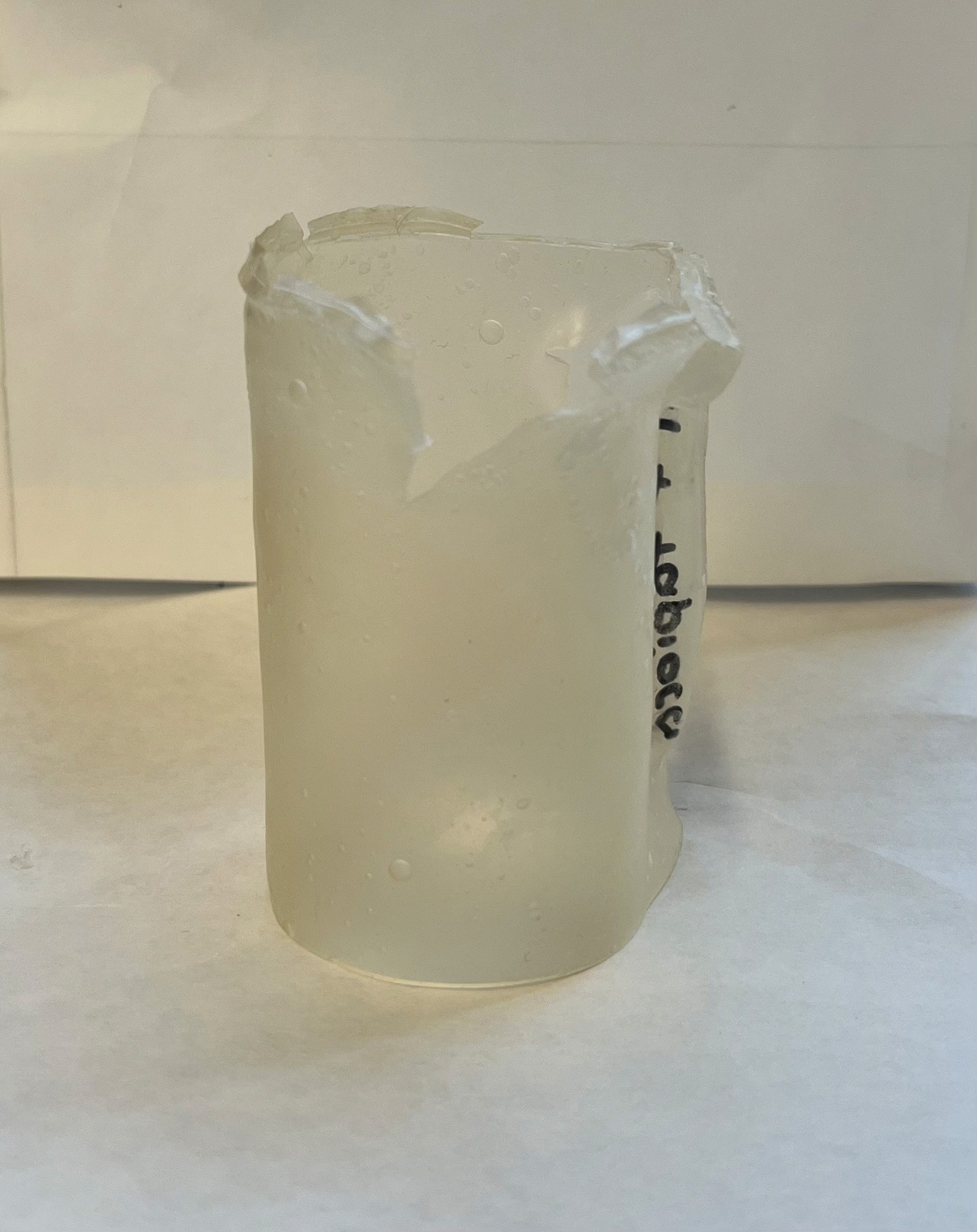
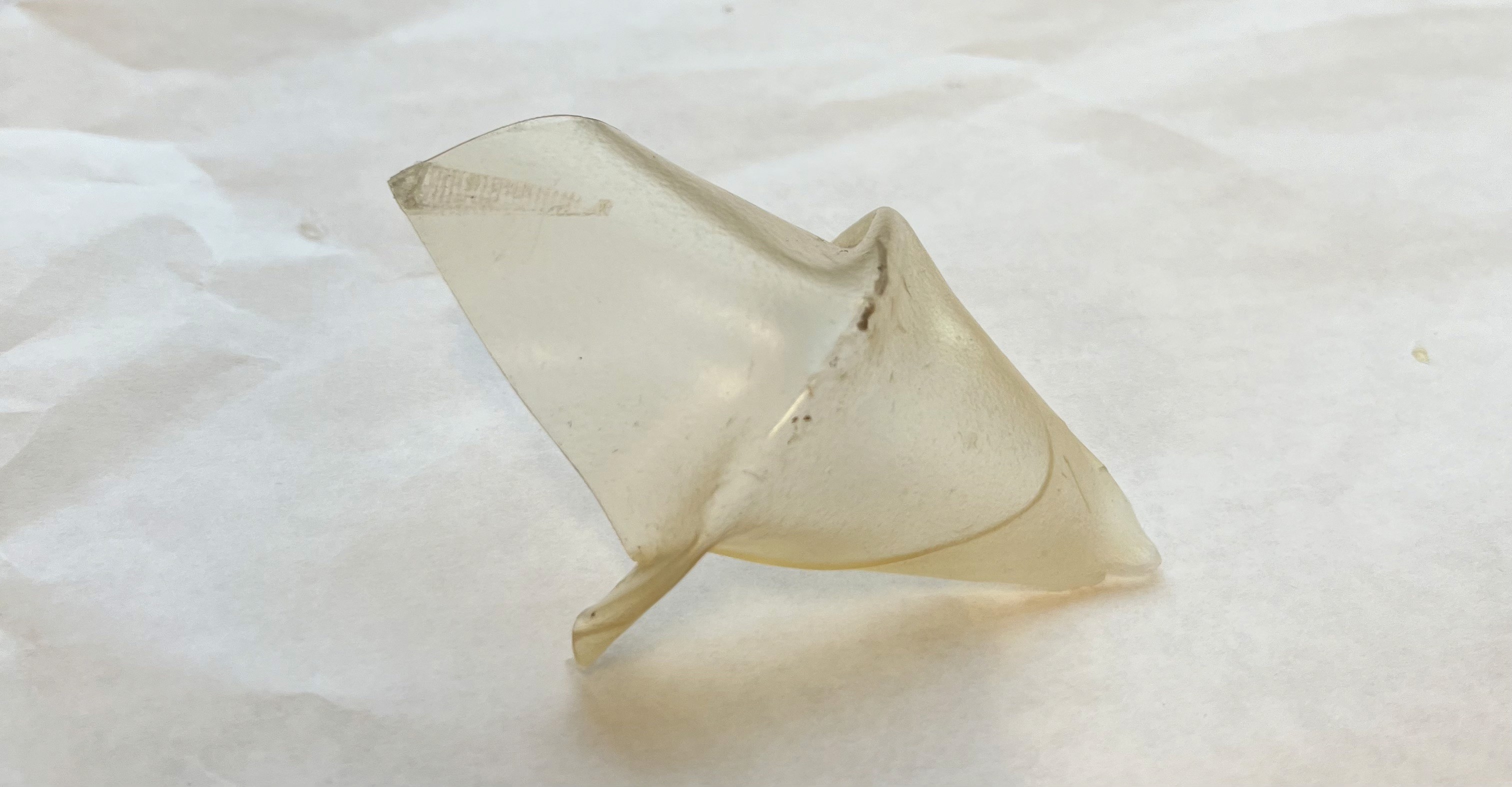
I decided to use tapioca due to its opaque qualities and I decided to use gelatin for its ability to form quickly and its transparent quality. Because of this I got a semi-trasparent material that had an interesting optical quality that I could adjust by adding more or less color pigment to my recipe.
Processing the Material
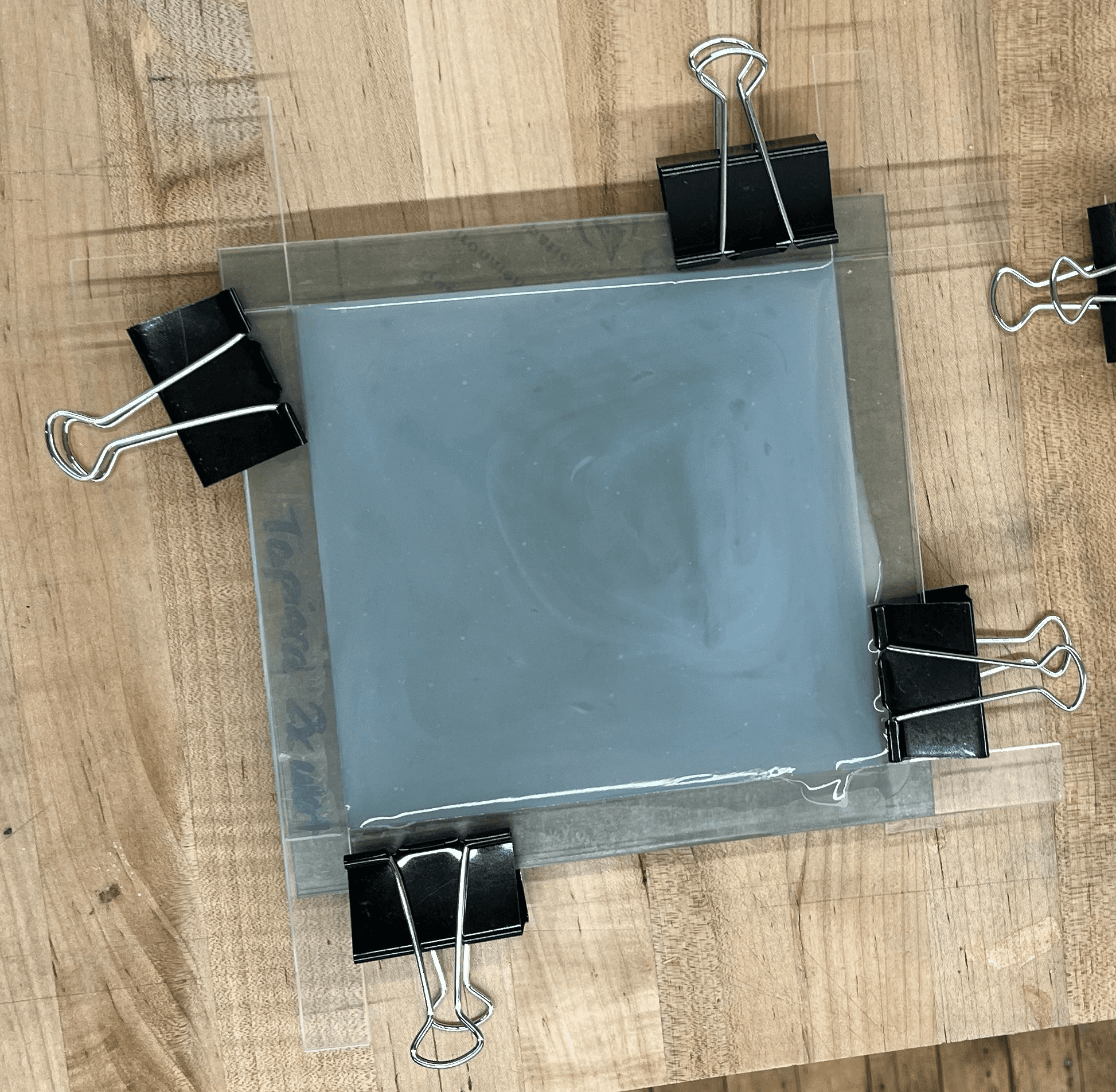
Hot bioplastic liquid was poured into a thin sheet mold that dried as it cooled. After 48 hours a mostly flat thin sheet of bioplastic was be formed. After a week it still looked the same with no warpage.
The material proved to be moldable when rewetted as well as having a decent tensile strength. Clamps were left dangling from the material for 48 hours and no tearing or other damage was shown.
Choosing Colors
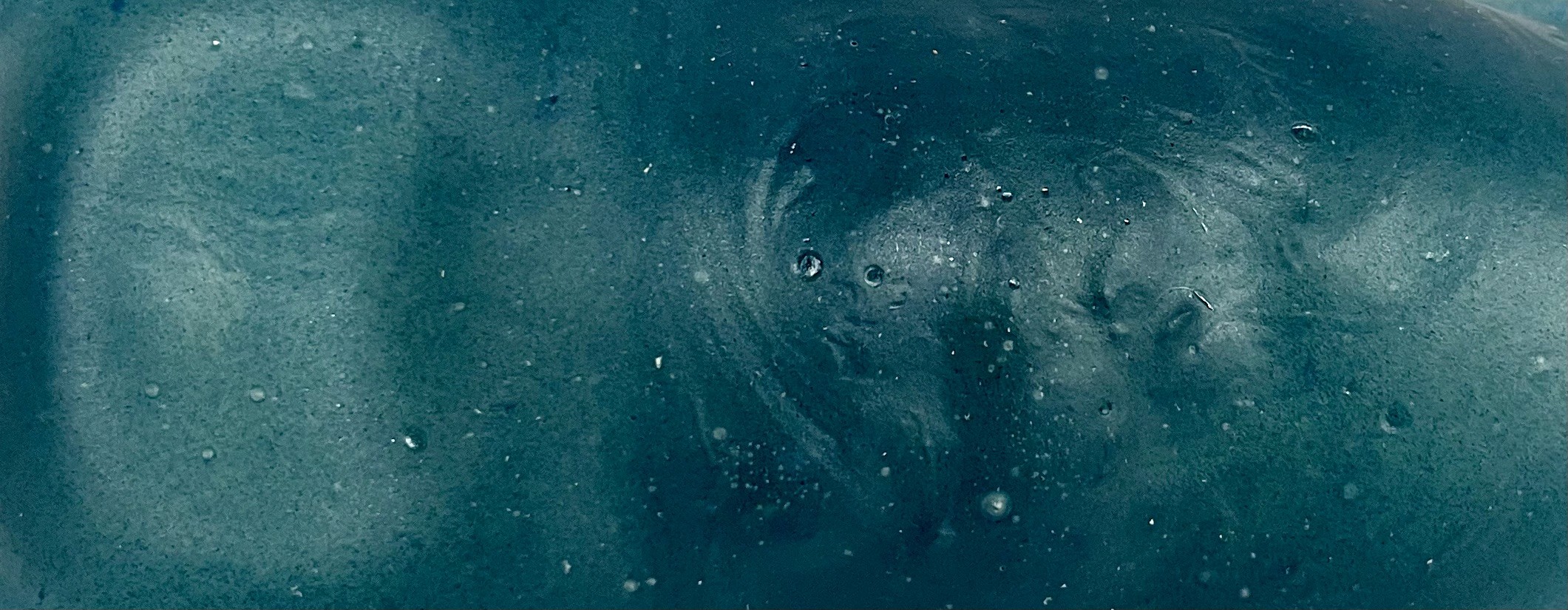
Using different mineral pigments as well as natural pigments such as red cabbage powder and tumeric I was able to create a wide variety of colors.
After looking at all my samples under light I decided to move forward with blue and green as my color choices.
Through experiementation I found that darker colored powders were more opaque and lighter color powders were more translucent.
The Final Design
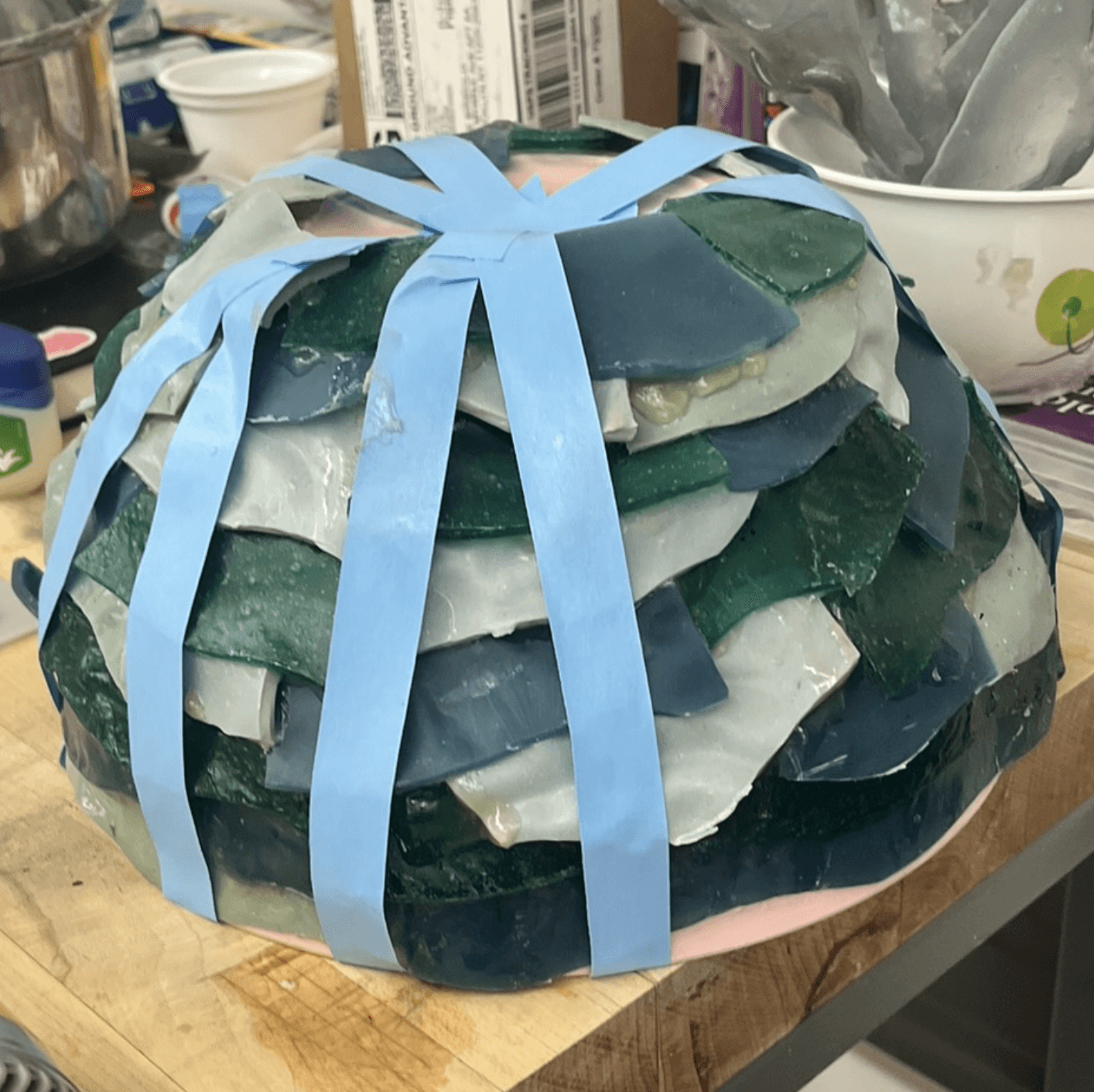
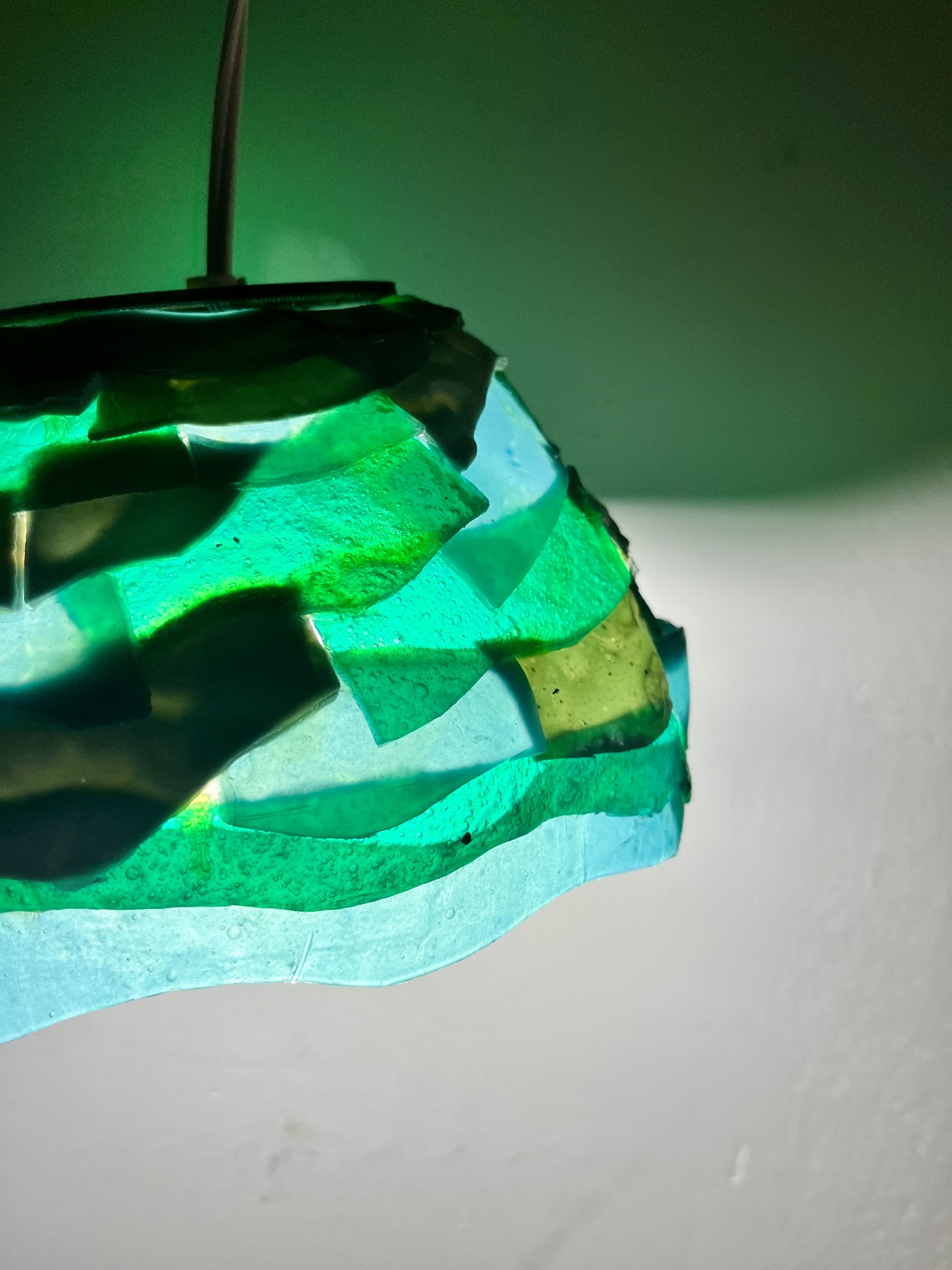
Inspired by the optical quality of stripped lights I saw online, I wanted to make a design that emulated their diffusion of light.
To do this, several different sheets of bioplastic were made in different colors which had varying opacities and then cut them into strips. The strips were then around a bowl and used uncolored bioplastic as glue to stick them together.
The Final Application
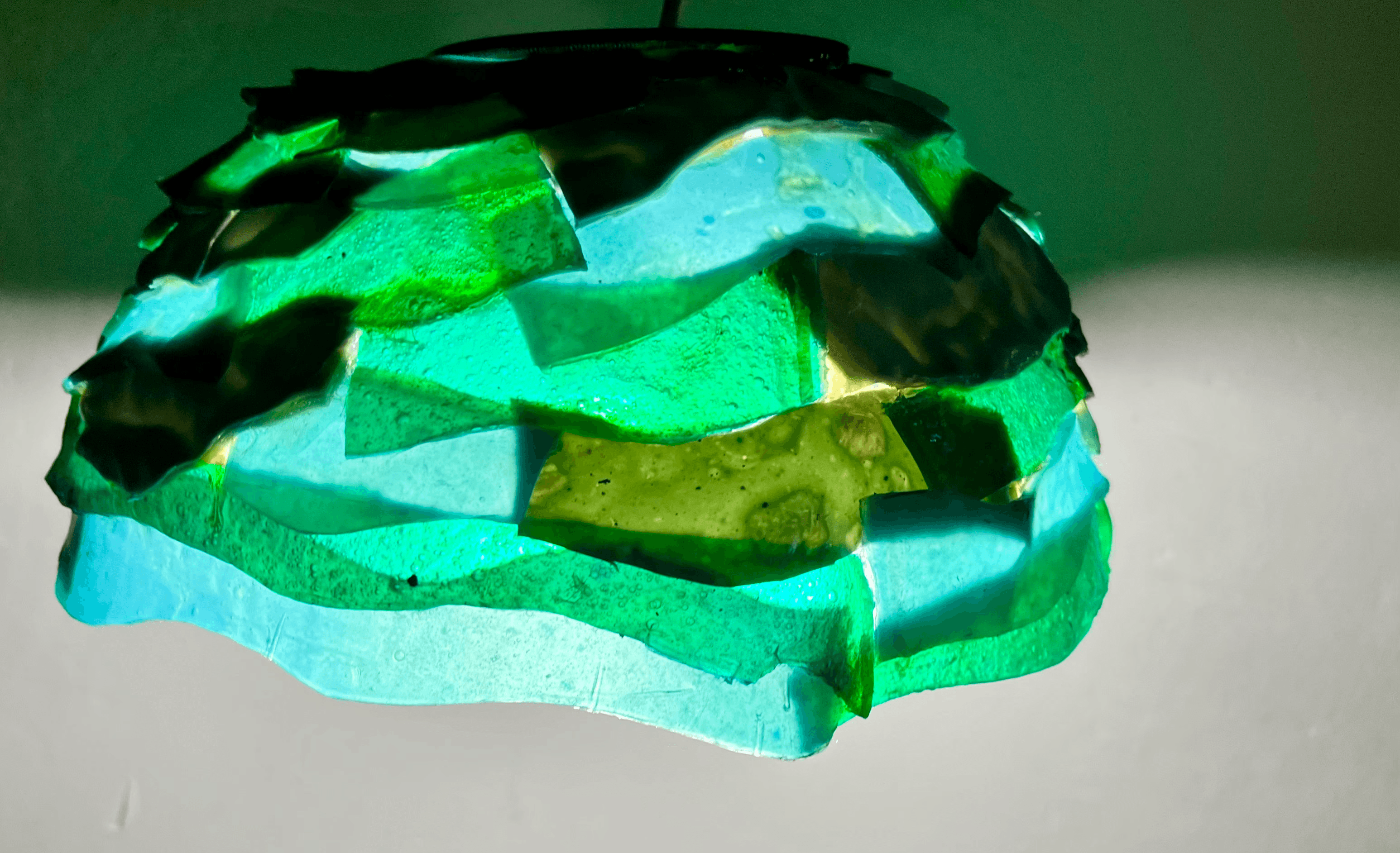
The final application shows the materials optical qualities as well as its ability to be cut and molded to create a form. Ideally in a factory enviornment, the sheets created could be even thinner and they could be layered to create different sheets of various optical qualitites that could then be used for all sorts of modeling purposes.
The two main limitations of this material is that it is not water prof and after significant exposure to water it starts to break down. As such, this limits its options on what it can be used for.
Framer 2025
New York